indiashouldknow.com

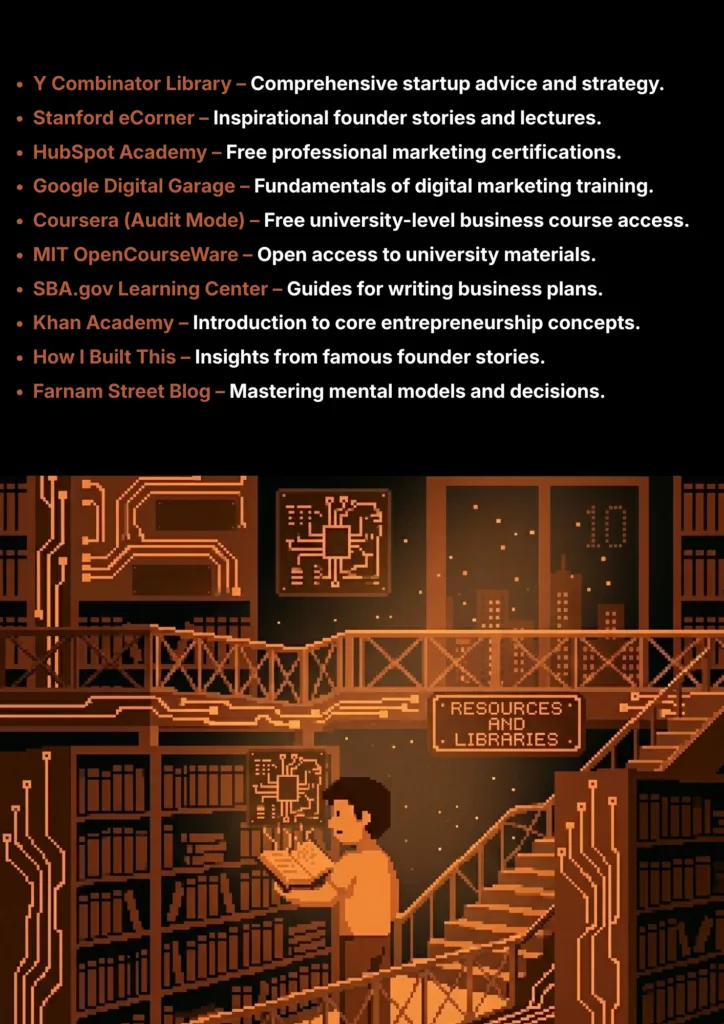
10 Amazing Free Resources & Libraries for Business & Entrepreneurship

10 Amazing Free Resources & Libraries for Business & Entrepreneurship

You have a brilliant idea for a startup, but the world of business feels like a locked room. Textbooks are expensive, business school seems out of reach, and you’re not sure where to even start with creating a business plan or marketing strategy. It’s a common feeling for students and aspiring entrepreneurs to be full of passion but short on guidance.

But what if you could get a world-class business education from Stanford, MIT, and Google, listen to the founders of the world’s biggest companies share their secrets, and access a complete library of business plan templates, all for free?

That’s the incredible opportunity available to you today. This guide is built for students who are ready to turn their ideas into reality. We’ve done a deep dive to find the best free resources and libraries for business and entrepreneurship that are genuinely free forever, allowing you to build the skills and knowledge you need to succeed.

What Can You Actually Do With These Resources?

AI Tools Capabilities - India Should Know

Before we dive into the list, it's helpful to understand what makes these resources so game-changing for students.

  • Learn from the Best in the World: Access lectures, essays, and interviews from legendary founders and venture capitalists.
  • Create a Professional Business Plan: Get step-by-step guidance and free templates to structure your business idea.
  • Master In-Demand Skills: Earn free, industry-recognized certifications in high-demand fields like digital marketing and sales.
  • Develop a Strategic Mindset: Learn the mental models and decision-making frameworks used by the world's most successful leaders.

Quick Comparison Table

Startup & Entrepreneurship Resources - India Should Know
Tool Name Best For Pricing Model Ease of Use
Y Combinator Library Startup Advice & Strategy Completely Free Intermediate
Stanford eCorner Founder Stories & Lectures Completely Free Beginner
HubSpot Academy Free Marketing & Sales Certs Completely Free Beginner
Google Digital Garage Digital Marketing Fundamentals Completely Free Beginner
Coursera (Audit Mode) University-Level Business Courses Free Course Access Beginner to Intermediate
MIT OpenCourseWare University Course Materials Completely Free Intermediate
SBA.gov Learning Center Writing a Business Plan Completely Free Beginner
Khan Academy Intro to Entrepreneurship Completely Free Beginner
How I Built This Inspirational Founder Stories Completely Free Beginner
Farnam Street Blog Mental Models & Decision Making Freemium Intermediate
10 Amazing Free Libraries for Business & Entrepreneurship - India Should Know
Y Combinator Library

1. Y Combinator Library

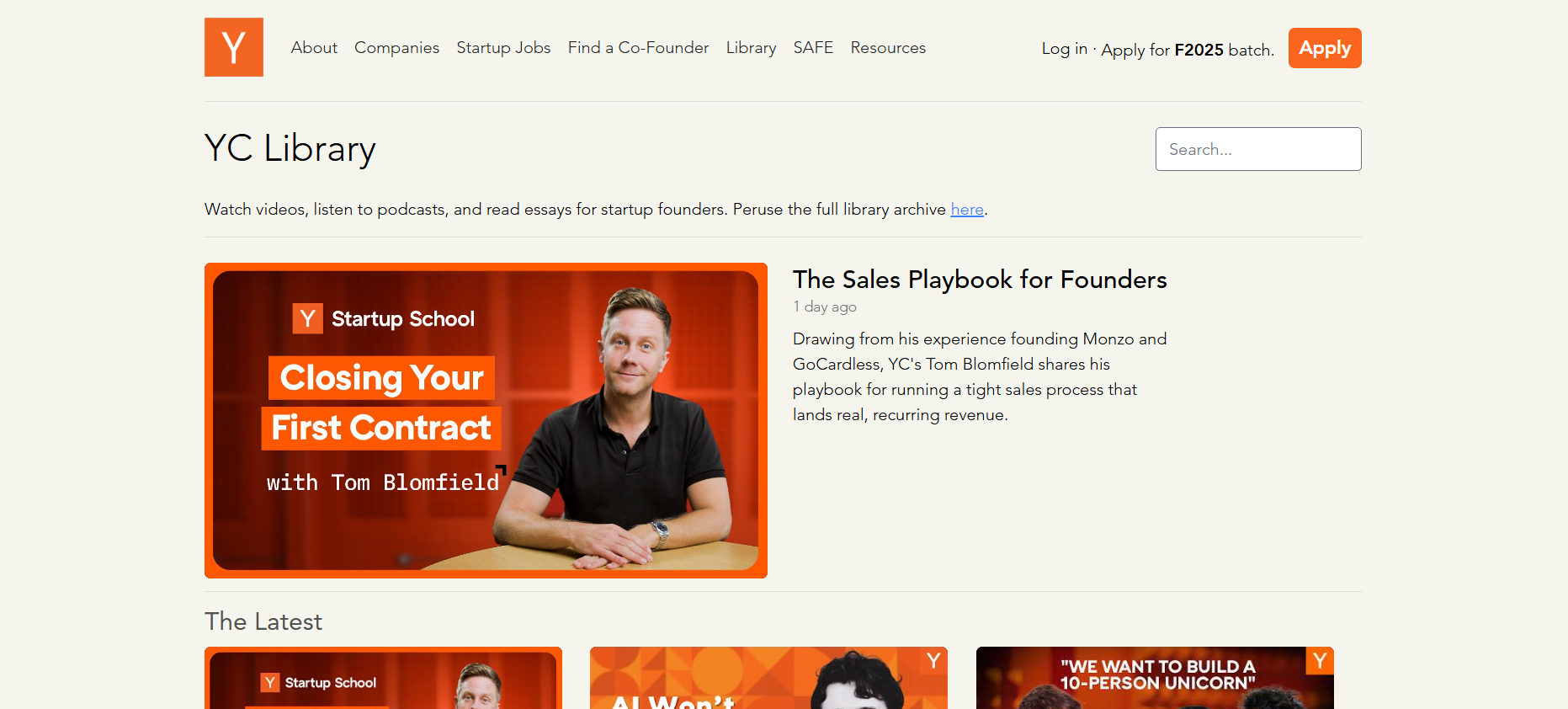
Y Combinator is the world's most famous startup accelerator. Their online library is a massive collection of essays, videos, and guides from successful founders. It offers practical, no-nonsense advice on everything from finding an idea and talking to users to raising money and scaling a high-growth company.

  • Best For: Direct, practical startup advice and growth strategy.
  • Use Case Example: A student reads Michael Seibel's essay on “How to Plan an MVP” to learn the framework for building their first tech product.
  • Pricing Details: Completely Free. The entire library and "Startup School" program are free.
  • What You’ll Need: A web browser.
  • Learning Curve: Intermediate. Most valuable for those serious about building a high-growth startup.
  • What to Watch Out For: Advice is heavily focused on venture-backed tech startups, which might not apply to all business types.
Stanford eCorner

2. Stanford eCorner

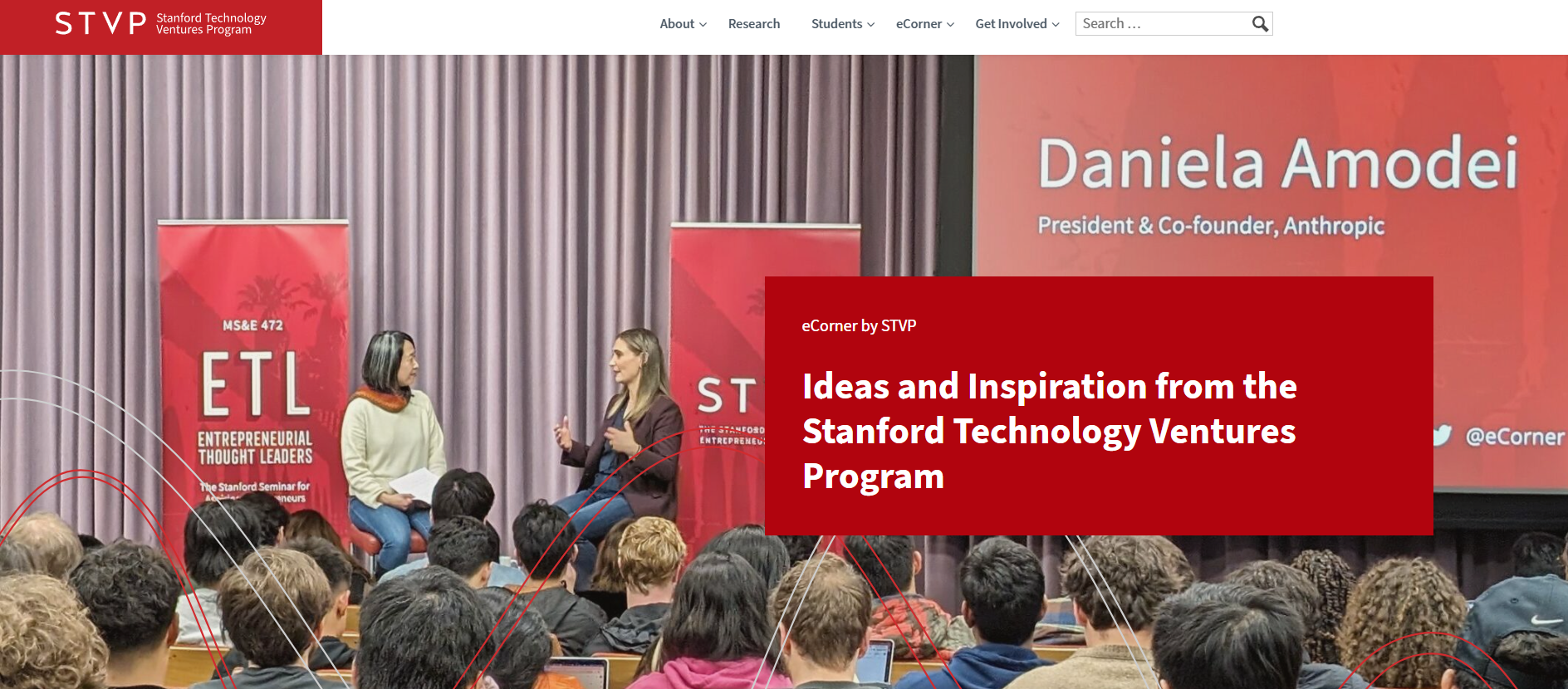
Stanford eCorner is a free archive of entrepreneurial resources from Stanford University. It features the famous “Entrepreneurial Thought Leaders” series, where founders of companies like Instagram and NVIDIA share candid stories and lectures. It's essentially a front-row seat in a world-class business lecture hall.

  • Best For: University-level lectures and inspiring stories from world-class entrepreneurs.
  • Use Case Example: A student listens to a podcast episode to gain inspiration and learn the mindset shifts needed to overcome startup challenges.
  • Pricing Details: Completely Free. All videos and podcasts are 100% free to access.
  • What You’ll Need: A web browser or a podcast app.
  • Learning Curve: Beginner. Story-based lectures make the content very accessible.
  • What to Watch Out For: Content is high-level and inspirational rather than a step-by-step technical guide.
HubSpot Academy

3. HubSpot Academy

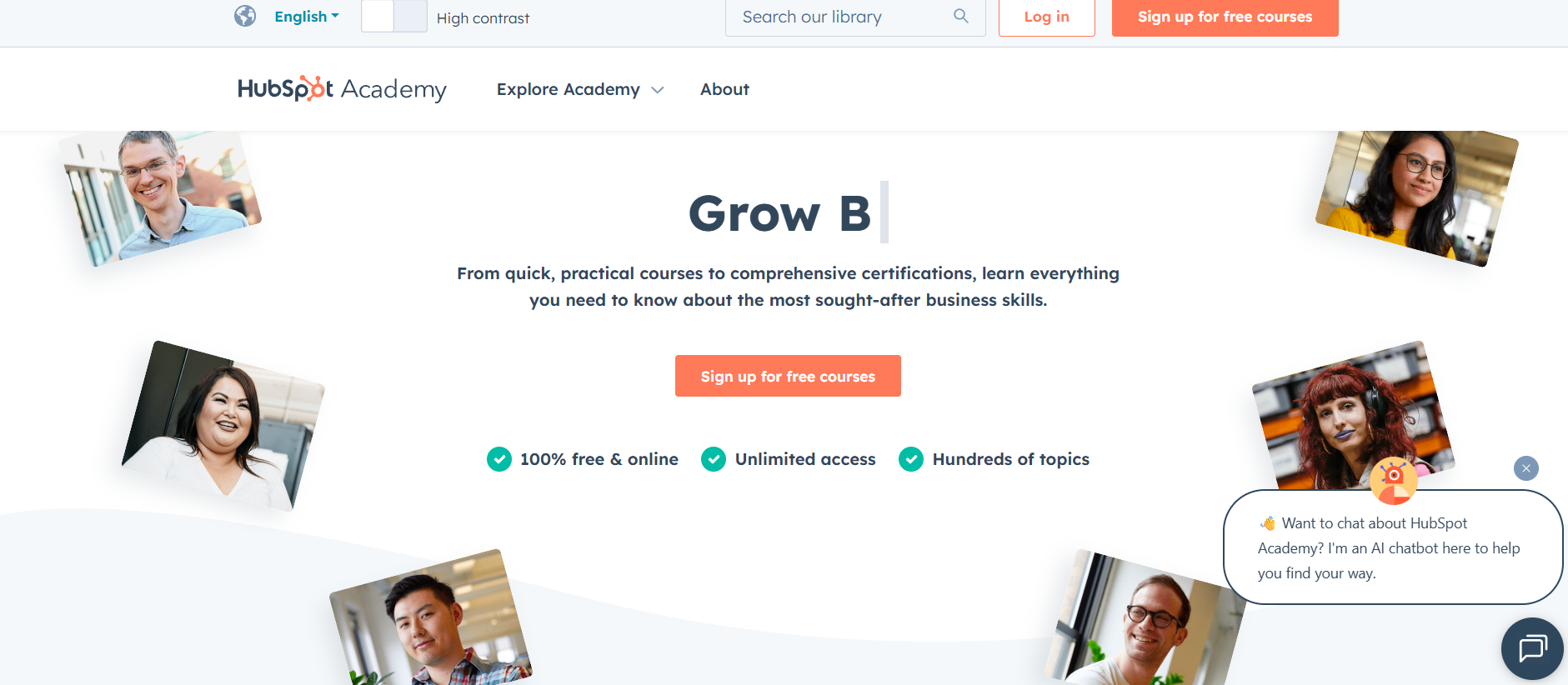
HubSpot Academy is an incredible resource for earning industry-recognized certifications. It offers high-quality courses in Inbound Marketing, SEO, and Sales. These credentials are well-respected by employers and provide a structured way to prove your marketing skills to the world.

  • Best For: Earning free, respected certifications in marketing, sales, and business.
  • Use Case Example: A student completes the "Digital Marketing Certification" to add a professional credential to their LinkedIn profile and resume.
  • Pricing Details: Completely Free. All courses and official certifications are 100% free.
  • What You’ll Need: A web browser.
  • Learning Curve: Beginner. Courses use clear videos and simple quizzes for easy learning.
  • What to Watch Out For: Content focuses on HubSpot's specific philosophy, though principles are universal.
Google Digital Garage

4. Google Digital Garage

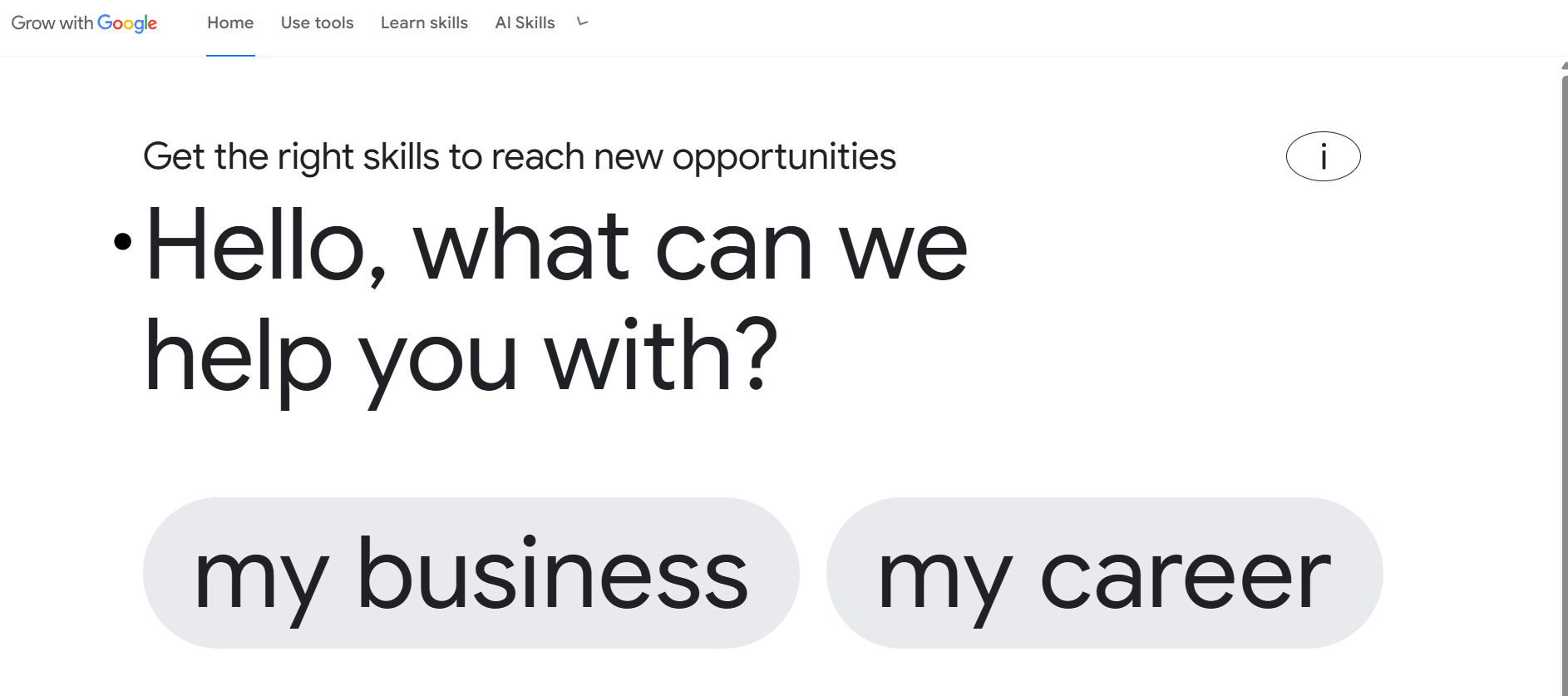
Google Digital Garage provides a range of free courses to help you master digital marketing. Its flagship “Fundamentals of Digital Marketing” course is accredited and a fantastic addition to any student's resume, covering everything from SEO to web analytics in bite-sized lessons.

  • Best For: Learning digital marketing fundamentals and getting a Google-certified credential.
  • Use Case Example: A non-business student completes the course to gain basic marketing knowledge and a downloadable certificate for employers.
  • Pricing Details: Completely Free. Courses and certificates are 100% free to obtain.
  • What You’ll Need: A web browser and a Google account.
  • Learning Curve: Beginner. Bite-sized video lessons make it very easy to follow along.
  • What to Watch Out For: Content is very foundational; you'll need other resources to become a specialized expert.
Coursera

5. Coursera (Audit Mode)

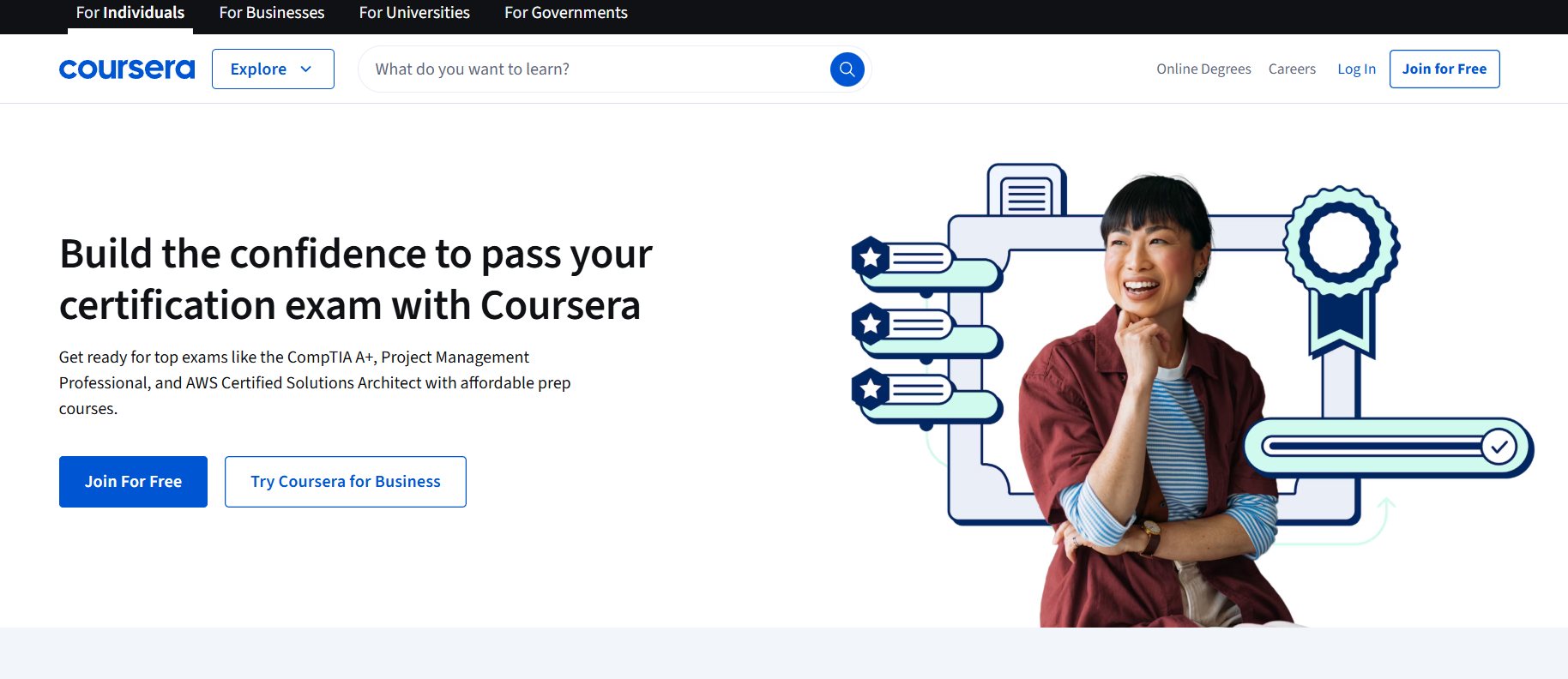
Coursera allows you to access courses from top-tier universities like Wharton and Yale. By using the "Audit" option, you can access video lectures and reading materials for free, learning complex skills like financial modeling or strategic management from world-renowned professors.

  • Best For: Accessing university-level business education and high-demand skills for free.
  • Use Case Example: A student enrolls in "Introduction to Corporate Finance" to learn from a Wharton professor without paying tuition.
  • Pricing Details: Free Course Access. Audit mode gives free access to materials but no graded assignments or certificates.
  • What You’ll Need: A web browser.
  • Learning Curve: Beginner to Intermediate. Depends entirely on the specific course chosen.
  • What to Watch Out For: You won't receive a certificate in audit mode; it is for skill-building only.
MIT OpenCourseWare

6. MIT OpenCourseWare

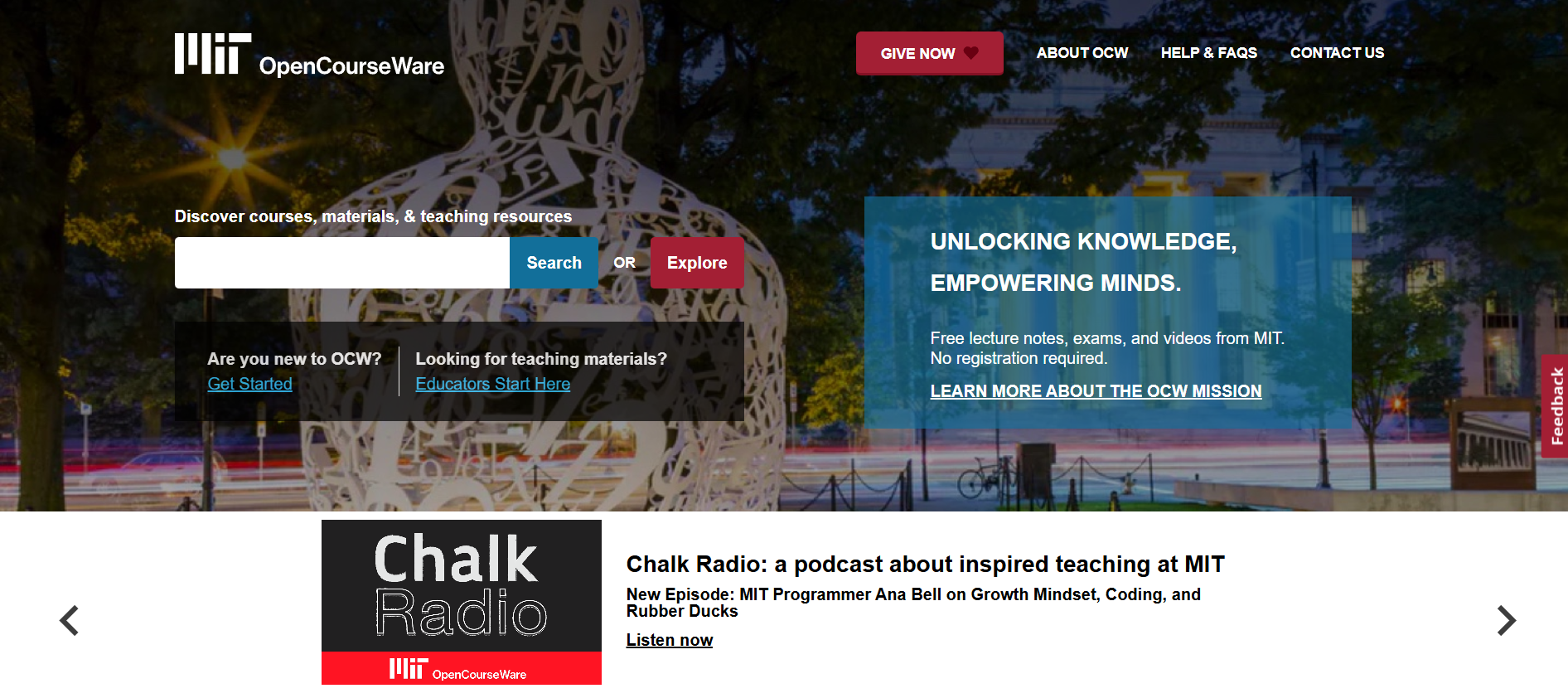
MIT OpenCourseWare (OCW) puts materials from virtually all undergraduate and graduate courses online for free. You can find real lecture notes, assignments, and exams from MIT Sloan School of Management classes on entrepreneurship, finance, and leadership.

  • Best For: Accessing real university course materials from a world-class institution.
  • Use Case Example: A student reviews the "Nuts and Bolts of Business Plans" materials to see real-world business plan examples at an MIT level.
  • Pricing Details: Completely Free. No sign-up required and all materials are free to use.
  • What You’ll Need: A web browser.
  • Learning Curve: Intermediate. These are rigorous university courses that require high self-motivation.
  • What to Watch Out For: This is a library of materials, not an interactive course; there are no instructors.
SBA.gov Learning Center

7. SBA.gov Learning Center

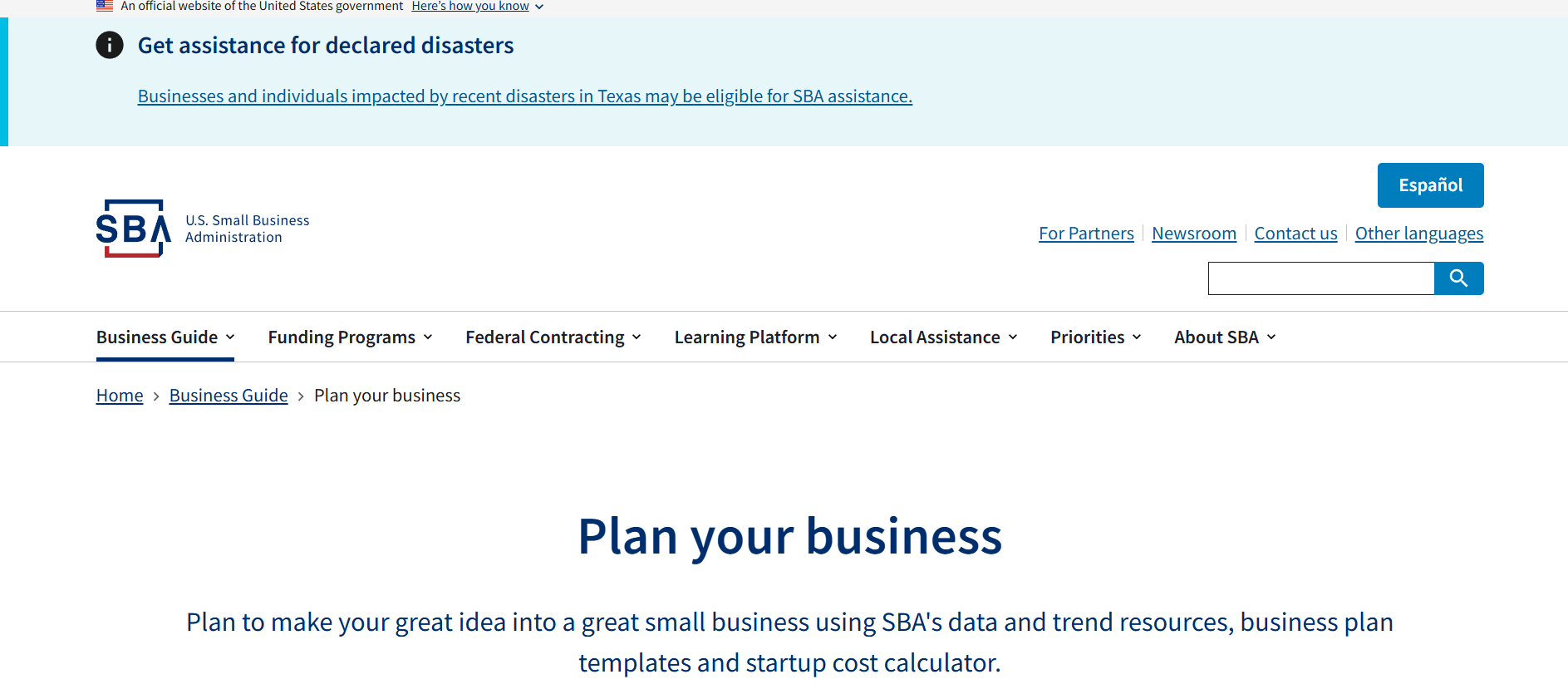
The U.S. Small Business Administration (SBA) offers a fantastic free Learning Center for entrepreneurs. It provides step-by-step instructions on writing a business plan, calculating startup costs, and conducting market research with reliable templates and guides.

  • Best For: Practical, step-by-step guides on how to start and run a small business.
  • Use Case Example: An aspiring entrepreneur uses the SBA business plan template to structure their initial market analysis and executive summary.
  • Pricing Details: Completely Free. All guides, templates, and articles are government-provided and free.
  • What You’ll Need: A web browser.
  • Learning Curve: Beginner. Content is written in very clear and simple language.
  • What to Watch Out For: Legal and regulatory advice is US-centric, though core business principles are universal.
Khan Academy

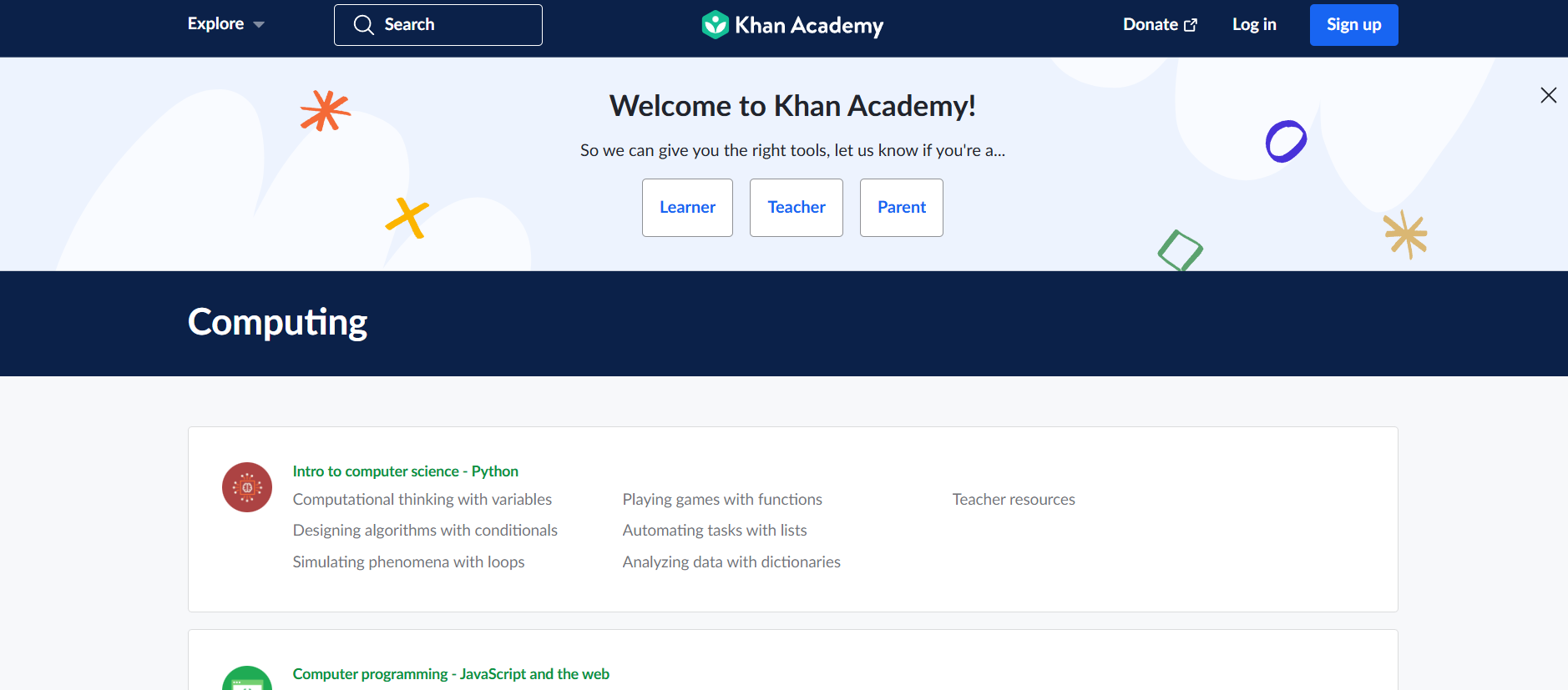
8. Khan Academy

Khan Academy’s Entrepreneurship section is a perfect starting point for beginners. It features accessible interviews with legendary entrepreneurs like Elon Musk and Richard Branson, allowing you to learn about the journey of building a business directly from those who have done it.

  • Best For: A friendly, non-intimidating introduction to the stories and concepts of entrepreneurship.
  • Use Case Example: A high school student watches an interview with Sal Khan to understand the personal journey of turning a project into a global non-profit.
  • Pricing Details: Completely Free. All content is 100% free forever for everyone.
  • What You’ll Need: A web browser or mobile app.
  • Learning Curve: Beginner. Engaging interview formats make complex stories easy to digest.
  • What to Watch Out For: More conceptual and inspirational than a practical, technical "how-to" guide.
How I Built This

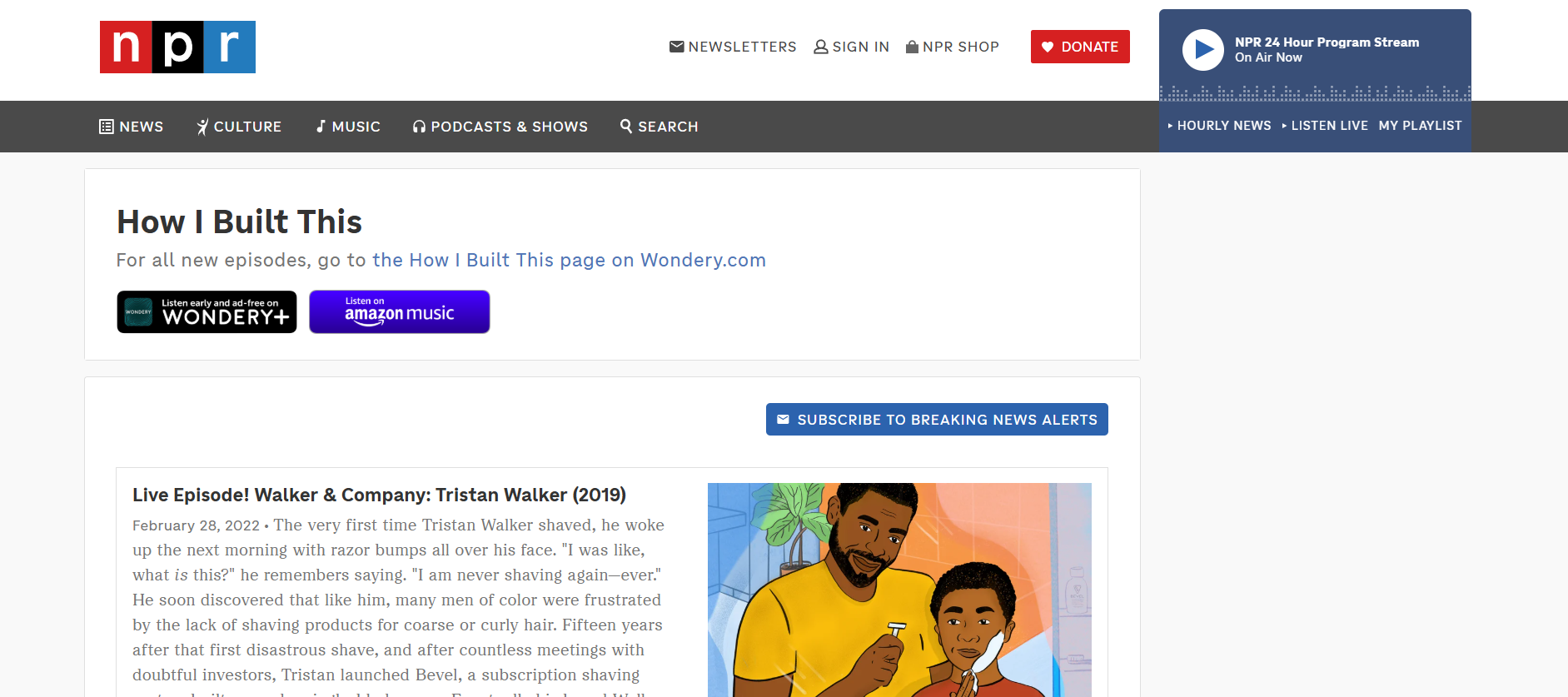
9. How I Built This

Host Guy Raz dives deep into the origin stories of well-known companies like Instagram and Dyson. These honest interviews focus on moments of doubt, failure, and breakthrough, providing a realistic and deeply inspiring look at what it truly takes to build something from nothing.

  • Best For: Inspirational and honest stories about the struggles and successes of building a business.
  • Use Case Example: A student feels like giving up and listens to James Dyson's story of 5,000 failed prototypes to find the motivation to keep going.
  • Pricing Details: Completely Free. Available on all major podcast platforms like Spotify and Apple Podcasts.
  • What You’ll Need: A smartphone or computer with a podcast app or browser.
  • Learning Curve: Beginner. An engaging, story-based format that is easy to enjoy.
  • What to Watch Out For: These are narrative stories, not structured business lessons or technical "how-to" steps.
Farnam Street Blog

10. Farnam Street Blog (FS)

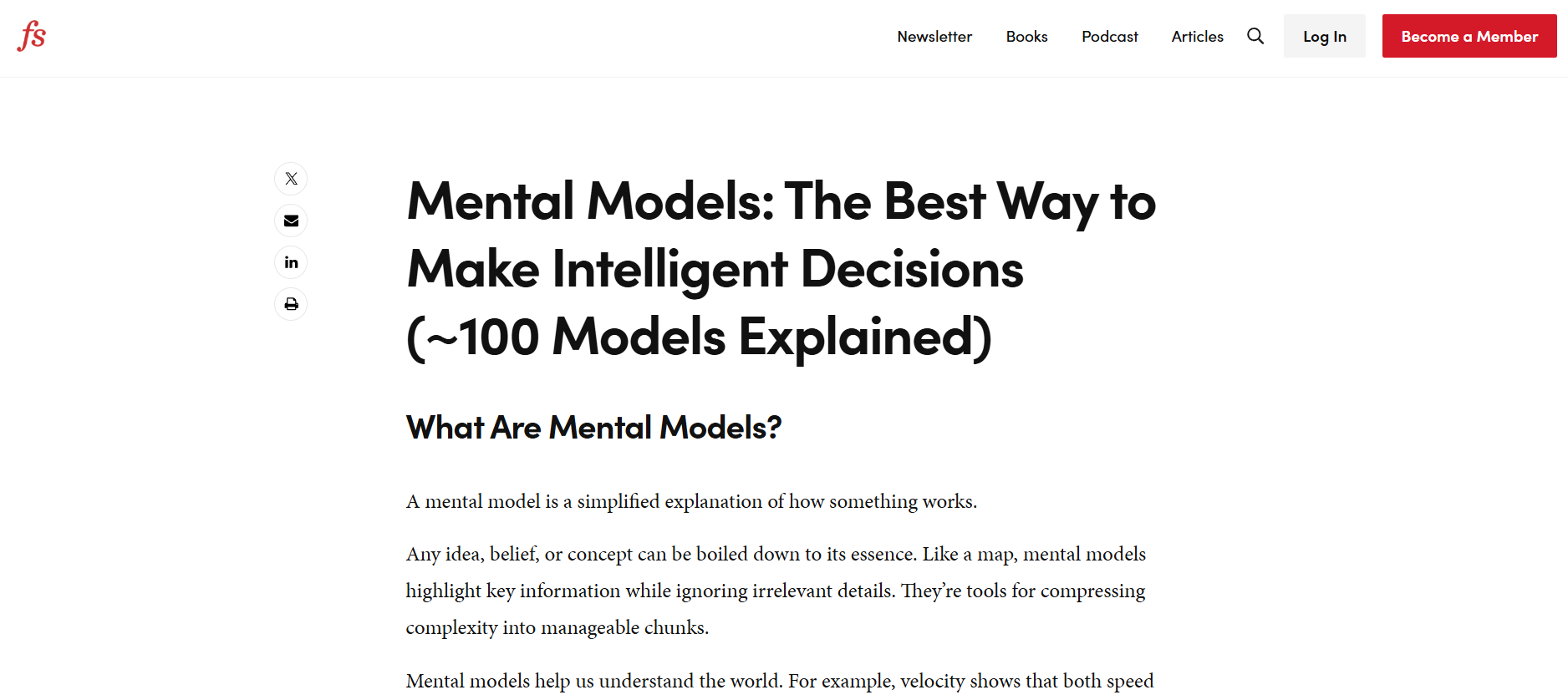
Farnam Street helps you think better by teaching timeless "mental models" from science, philosophy, and economics. It’s an essential resource for developing the strategic mindset and decision-making frameworks used by the world's most successful leaders.

  • Best For: Learning mental models and decision-making frameworks for business and life.
  • Use Case Example: A student uses the “Inversion” mental model from a blog post to find a creative solution to a complex business problem.
  • Pricing Details: Freemium. A vast library of blog articles is free; a paid membership offers a private community.
  • What You’ll Need: A web browser.
  • Learning Curve: Intermediate. Articles are deep and require careful reading and reflection.
  • What to Watch Out For: This is a resource for deep, long-term learning rather than "quick tips" or hacks.

Which Resource Should You Start With?

AI Tools Selection Guide - India Should Know

Feeling a bit overwhelmed by the options? Here’s a quick guide:

  • Valuable Professional Certifications: If you want to add a valuable certification to your resume fast, go to HubSpot Academy or Google Digital Garage where you can earn a respected credential in a weekend.
  • Startup Advice & Practical Insights: If you have a startup idea and need practical advice, dive into the Y Combinator Library and listen to the How I Built This podcast.
  • University-Level Business Concepts: If you want to learn university-level business concepts, explore the free courses on MIT OpenCourseWare and Coursera.
  • Strategic Thinking Mastery: If you want to learn how to think more strategically, start reading the Farnam Street Blog to improve your decision-making skills.

Reach New Heights With Knowledge From The Best Global Institutions

As you can see, you have access to a world-class business education without needing to spend a single rupee. From university lectures and professional certifications to the honest stories of the world’s greatest founders, these free resources provide a clear path for any student to build the skills and mindset needed to succeed.

The best way to learn is by starting. Pick one resource from this list that excites you the most, whether it’s an inspiring podcast or a practical course, and spend an hour with it today. You’ll be amazed at how much you can learn.

Written By

Prateek Singh.

Last Updated – March, 2026

About The Author

Prateek is a self-taught practitioner who believes the only real way to learn is by doing. He created IndiaShouldKnow.com from scratch, using AI as his primary learning partner to navigate everything from web development and UI/UX design to color theory and graphic engineering.

He works within the “engine room” of AI daily, using these tools to manage professional workflows including data visualization, digital marketing systems, and SEO architecture. Having personally tested and refined dozens of AI models across hundreds of real-world scenarios, Prateek focuses on the “how” behind the technology. He shares his self-taught workflows and prompting pillars to help others move past basic chat interactions and start using AI as a high-precision tool for their own goals.

FAQs About AI Use.

Can I trust every answer an AI tool gives me for my studies?

A: No, you should not trust every answer completely. Think of an AI as a super-smart assistant that has read most of the internet—but not every book in the library is accurate.

  • AI can sometimes make mistakes, misunderstand your question, or use outdated information.

     
  • It can even “hallucinate,” which means it confidently makes up an answer that sounds real but is completely false.


Rule of Thumb: Use AI answers as a great starting point, but never as the final, absolute truth. Always double-check important facts.

A: Verifying information is a crucial skill. It’s like being a detective for facts. Here are four simple steps:

  1. Check Your Course Material: Is the AI’s answer consistent with what your textbook, lecture notes, or professor says? This is your most reliable source.

  2. Look for Reputable Sources: Ask the AI for its sources or search for the information online. Look for links from universities (.edu), government sites (.gov), respected news organizations, or published academic journals.

  3. Cross-Reference: Ask a different AI the same question, or type your question into a standard search engine like Google. If multiple reliable sources give the same answer, it’s more likely to be correct.

  4. Use Common Sense: If an answer seems too perfect, too strange, or too good to be true, be extra skeptical and investigate it further.

A: This is a very important difference. It’s all about who is doing the thinking.

  • Using AI for Research (Good ✅):

    • Brainstorming topics for a paper.

    • Asking for a simple explanation of a complex theory.

    • Finding keywords to use in your library search.

    • Getting feedback on your grammar and sentence structure.

    • You are using AI as a tool to help you think and write better.

  • Using AI to Plagiarize (Bad ❌):

    • Copying and pasting an AI-generated answer directly into your assignment.

    • Asking the AI to write an entire essay or paragraph for you.

    • Slightly rephrasing an AI’s answer and submitting it as your own original thought.

    • You are letting the AI do the thinking and work for you.

A: Using AI ethically means using it to learn, not to cheat. Here’s how:

  1. Know the Rules: First and foremost, read your school’s or professor’s policy on using AI tools. This is the most important step.

  2. Be the Author: The final work you submit must be yours. Your ideas, your structure, and your arguments. Use AI as a guide, not the writer.

  3. Do the Heavy Lifting: Use AI to understand a topic, but then close the chat and write your summary or solve the problem yourself to make sure you have actually learned it.

  4. Be Transparent: If you used an AI in a significant way (like for brainstorming), ask your professor if you should mention it. Honesty is always the best policy.

A: Yes, an AI’s answer can definitely be biased. Since AI learns from the vast amount of text on the internet written by humans, it can pick up and repeat human biases.

Here’s how to spot potential bias:

  • Look for Opinions: Does the answer present a strong opinion as a fact?

  • Check for One-Sidedness: On a topic with multiple viewpoints (like politics or economics), does the AI only show one side of the argument?

  • Watch for Stereotypes: Does the answer use generalizations about groups of people based on their race, gender, nationality, or other characteristics?

To avoid being misled by bias, always try to get information from multiple, varied sources.

A: It is best to be very careful. You should not consider your conversations with most public AI tools to be private.

  • Many AI companies use your conversations to train their systems, which means employees or contractors might read them.

     
  • There is always a risk of data breaches or leaks.


A Simple Safety Rule: Do not upload or paste any sensitive information that you would not want a stranger to see. This includes:

  • Personal identification details.

  • Confidential research or unpublished papers.

  • Your school assignments before you submit them.

  • Any financial or private data.

Don’t get left behind in the age of AI. 🚀

The world is changing fast, and AI is the reason. Join the India Should Know community to get 1 simple weekly email with:

AI Speed-Hacks:

Do 4 hours of work in 30 minutes.

The Vault:

Access our private library of Gemini & ChatGPT prompts.

Career Edge: 

Smart tips to stay ahead in school and at the office.

Sign Up To Get Our Introduction To Prompt Building PDF

No spam. Just the good stuff, every Tuesday.

Scroll to Top